Gaming
The Evolution of Gaming Consoles: From Atari to Next-Gen Systems
The evolution of gaming consoles from the early days of Atari to the current era of next-generation systems
Est: 3 min
Updated: June 29, 2023

The gaming industry has seen remarkable growth in gaming consoles over the years. From the humble beginnings of Atari to the advanced next-generation systems, gaming consoles have undergone significant changes in terms of technology, graphics, and gaming experiences. In this article, we will trace the journey of gaming consoles from their inception to today, and how they have shaped the landscape of gaming as we know it.

The advent of home gaming consoles can be traced back to the 1970s when the Atari 2600 popularized the concept of bringing arcade-like experiences to homes. These early consoles had simple graphics and limited gameplay options, but introduced the concept of interactive entertainment to the home. Later consoles such as the Nintendo Entertainment System (NES) and Sega Genesis made significant advances in graphics, sound, and game libraries, further increasing the popularity of console gaming.
A pivotal moment in the development of gaming consoles occurred in the 1990s with the introduction of 3D gaming. The Sony PlayStation, released in 1994, revolutionized the industry with its CD-based games, improved graphics, and immersive gameplay experiences. The Nintendo 64 and Sega Saturn followed suit, introducing innovative features such as analog controllers and multiplayer capabilities. These consoles set the stage for the transition to 3D graphics, allowing developers to create more immersive worlds and expand gaming possibilities.
Gaming consoles underwent a significant change in the early 2000s with the integration of online connectivity. The Microsoft Xbox and Sony PlayStation 2 introduced online multiplayer capabilities, allowing gamers to connect, compete, and cooperate with players from around the world. This era saw the rise of digital distribution platforms such as Xbox Live and PlayStation Network, which provided downloadable games and additional content. The introduction of Xbox Live’s online marketplace and PlayStation Network’s store revolutionized the way gamers access and experience games, paving the way for the digital future of gaming.

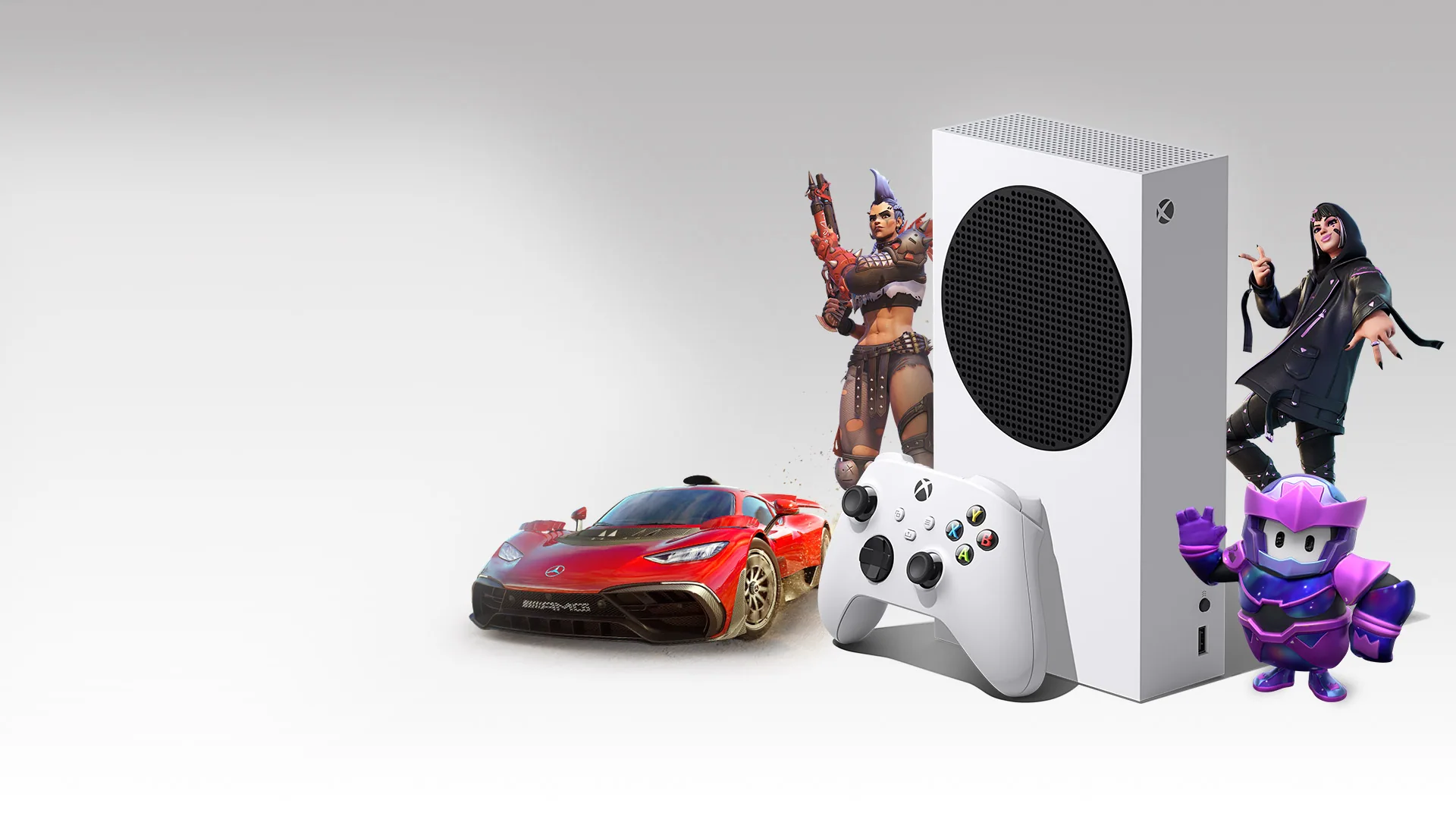
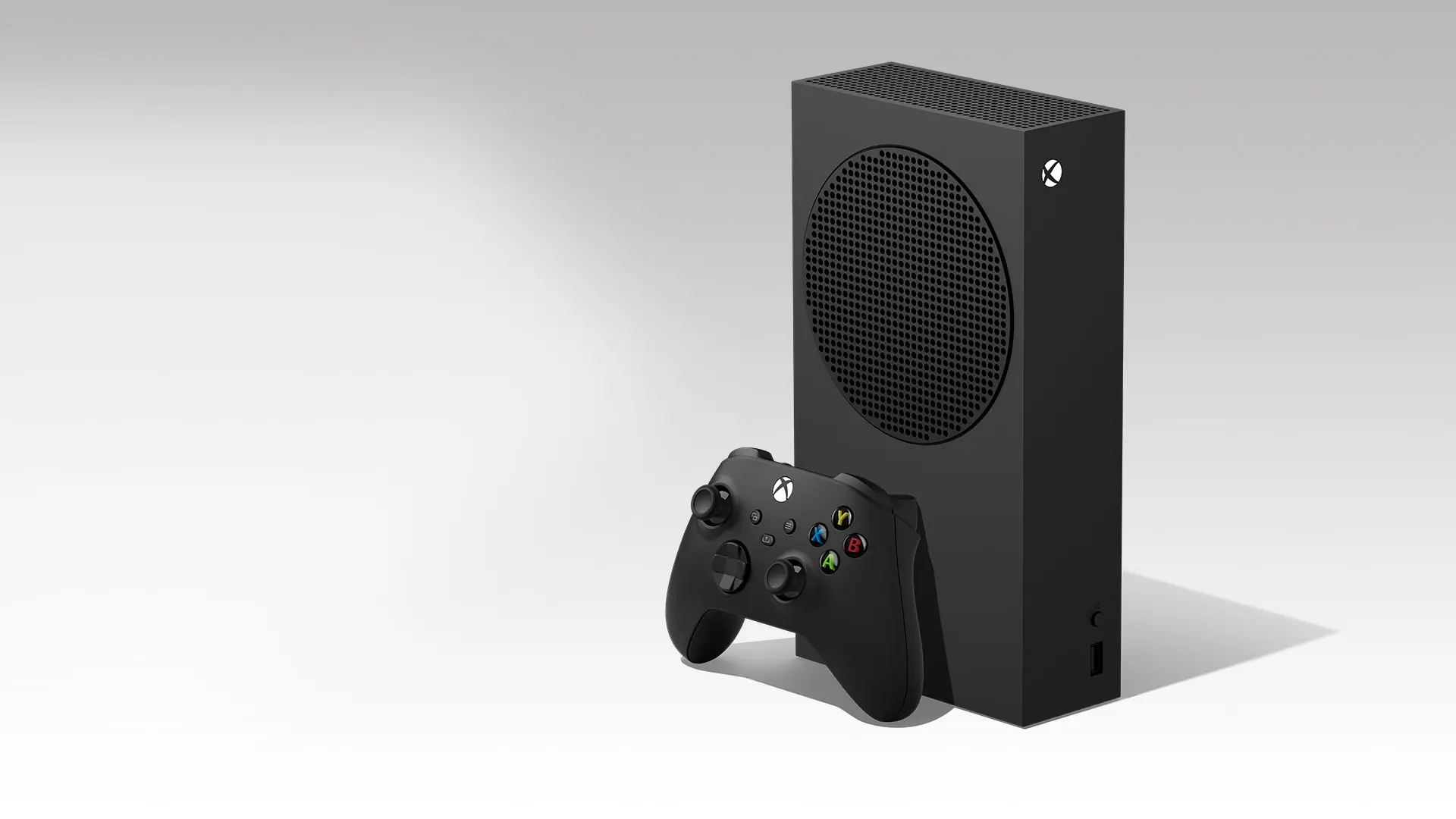
The current era is dominated by next-generation gaming consoles such as the PlayStation 5 and Xbox Series X/S. These consoles push the boundaries of technology with features like ray tracing, 4K resolution, high frame rates and near-instant load times. The emphasis on faster processors, advanced graphics capabilities and immersive experiences has taken gaming to new heights. Additionally, these consoles offer cross-platform compatibility, integration with cloud gaming and streaming services, blurring the lines between consoles and other devices, and opening up new avenues for gaming experiences.
As technology continues to advance, the future of gaming consoles holds exciting possibilities. With the growing popularity of virtual reality (VR) and augmented reality (AR), we can anticipate gaming consoles integrating these immersive technologies to provide more interactive and lifelike experiences. Additionally, advances in cloud gaming and streaming services may reshape the concept of hardware-based consoles, allowing gamers to seamlessly access their favorite games on a wide variety of devices.
The evolution of gaming consoles has been a testament to human ingenuity and technological progress. From the early days of Atari to the present era of next-gen systems, gaming consoles have continuously pushed the boundaries of what is possible, offering gamers increasingly sophisticated experiences. As we eagerly anticipate the future of gaming, one thing is certain: the evolution of gaming consoles will continue to shape and redefine the way we play, connect, and experience the world of gaming.