Introduction :
When it comes to gaming, the social aspect often takes center stage in multiplayer games. While gaming is often viewed as a solitary activity, multiplayer games provide a unique platform for players to connect, communicate, and collaborate with others around the world. In this article, we’ll explore the social side of gaming and focus on how multiplayer games can enhance communication and teamwork skills. From fostering online friendships to promoting effective collaboration, multiplayer gaming provides a dynamic and engaging environment that goes beyond mere entertainment.
Building online friendships:
Multiplayer games provide an excellent opportunity to build friendships online. Through shared experiences and common interests, players can form relationships with individuals they may never have met otherwise. Engaging in cooperative gameplay or competing against each other fosters camaraderie and a sense of belonging within a gaming community. Communication tools such as voice chat, text chat, and in-game messaging systems enable players to interact, strategize, and socialize during gameplay. These interactions can lead to long-lasting friendships that extend beyond the virtual world, as players often connect through social media platforms and gaming communities. Building online friendships through multiplayer gaming expands social networks, broadens cultural perspectives and creates a sense of community.
Communication Skills Development:
Effective communication is vital in multiplayer games, where coordination and teamwork are the keys to success. Players must communicate their strategies, coordinate their actions, and pass on important information in real time. This need for clear and concise communication enhances communication skills, which include actively listening, articulating ideas, and adapting communication styles depending on the situation and the preferences of teammates. Multiplayer games teach players how to express their thoughts, give and receive instructions, and react quickly to dynamic gameplay situations. Additionally, players learn to adapt their communication styles to accommodate diverse teammates with varying playing styles and skill levels. The communication skills developed in multiplayer gaming are transferable to real-life situations, benefiting professional environments, teamwork scenarios, and everyday interactions.
Cooperation and Teamwork:
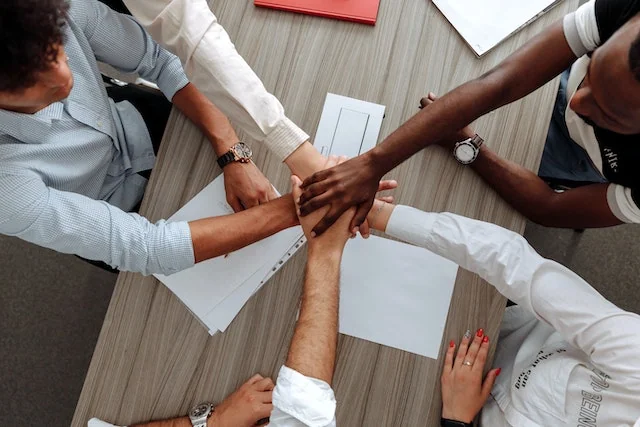
Multiplayer games thrive on cooperation and teamwork. Players must work together, strategize, and synchronize their actions to achieve common goals. Successful teamwork requires players to understand their roles, communicate effectively, and coordinate their efforts. This collaboration fosters skills such as problem-solving, decision-making and conflict resolution. Players learn to evaluate different points of view, compromise and find solutions that benefit the entire team. In multiplayer games, individual achievements are often secondary to collective success, reinforcing the value of cooperation and teamwork. These skills can be transferred to a variety of real life scenarios including work projects, sports teams and community initiatives. Multiplayer gaming provides a safe and intense environment to practice and develop these essential cooperation and teamwork skills.
Cultural Exchange and Diversity:
Multiplayer gaming transcends geographic boundaries, bringing together players from diverse backgrounds and cultures. Interacting with individuals from different regions introduces players to new perspectives, languages, and customs. Engaging with players from different cultural backgrounds encourages tolerance, empathy and respect. Players learn to navigate cultural differences, develop cross-cultural communication skills, and appreciate diversity within the gaming community. The exchange of ideas and experiences within multiplayer games creates a rich and inclusive environment, fostering a sense of global community. These intercultural interactions build bridges and break down stereotypes, contributing to a more connected and understanding society.
conclusion :
Multiplayer games offer much more than just entertainment; They provide a platform to enhance social interaction, communication development and teamwork. From forging online friendships to improving communication skills, promoting collaboration and teamwork, and fostering cultural exchange, multiplayer gaming brings people together, encourages positive social dynamics, and develops valuable skills. Which is beyond the gaming realm. Embrace the social side of gaming and unlock the countless benefits that come with multiplayer experiences.