Invest Like a Pro: The 09 Best Books on Stock Buying You Need to Read!
Stock Buying with our top 9 book recommendations! From Philip A. Fisher to Benjamin Graham, unlock invaluable insights for successful stock buying. Access now:
Est: 17 min
Updated: July 26, 2023
Sources: Amazon
Table of Contents
Introduction : Stock Buying
If you are eager to dip your toes into the captivating world of stock market investing or looking to enhance your existing skills, the wisdom offered by experienced investors can be incredibly valuable. The journey towards becoming a successful investor begins with learning from the best, and there’s no better way to do that than by diving into some of the most renowned books on stock buying.
Understanding the Importance of Stock Buying Books
Investing in the stock market can be both thrilling and challenging, especially for newcomers. The vast amount of information available can be overwhelming, leaving you wondering where to begin. Stock buying books serve as guiding beacons, illuminating the path to becoming a proficient investor. These books not only provide knowledge but also offer insights into the strategies and mindsets of successful investors.
The Top 10 Books for Aspiring Investors
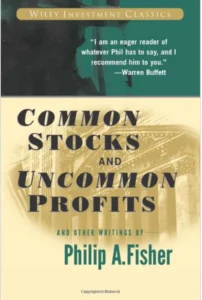
1. “Common Stocks Uncommon Profits” by Philip A. Fisher
Philip A. Fisher’s timeless classic emphasizes the significance of thoroughly analyzing companies before investing in their stocks. He highlights the value of long-term investing and how investors should focus on businesses with promising growth prospects.
Common Stocks and Uncommon Profits
In “Common Stocks Uncommon Profits,” Philip A. Fisher presents a comprehensive and insightful guide to successful stock market investing. The book covers a wide range of topics, offering valuable wisdom and practical strategies to both novice and seasoned investors. Here are the key elements found within the book:
Long-Term Investing Philosophy: Fisher advocates for a long-term investment approach, emphasizing the importance of patience and discipline in building wealth through stocks.
Understanding Businesses: The book underscores the significance of thoroughly understanding the businesses behind the stocks. Fisher encourages investors to research companies’ products, management, and growth potential.
The Scuttlebutt Method: Fisher introduces the innovative “Scuttlebutt Method,” which involves gathering firsthand information about a company from various sources, such as customers, suppliers, competitors, and employees.
Identifying Growth Stocks: Fisher shares his “15 Points” checklist to identify growth stocks with substantial potential for long-term capital appreciation.
Risk Management: The book offers valuable insights on risk management, advising against speculative investments and promoting a prudent approach to minimizing potential losses.
Market Psychology: Fisher delves into the psychological aspects of investing, highlighting the importance of staying rational and avoiding emotional decision-making.
Qualitative Analysis: The book focuses on qualitative analysis, encouraging investors to assess a company’s competitive advantages, innovation, and industry positioning.
Case Studies: Throughout the book, Fisher provides real-world case studies, offering practical examples of his investment principles in action.
Balancing Portfolios: Fisher discusses the importance of diversification and balancing portfolios based on individual risk tolerance and investment goals.
Market Trends and Timing: The book addresses market trends and the challenges of market timing, promoting a long-term perspective over attempting to time short-term market fluctuations.
Investing for the Long Haul: Fisher encourages investors to maintain a long-term vision and avoid succumbing to short-term market fluctuations or fads.
Corporate Management: The book discusses the significance of assessing corporate management when making investment decisions.
Evaluating Financial Statements: Fisher provides insights into analyzing financial statements to gain a deeper understanding of a company’s financial health.
“Common Stocks Uncommon Profits” is a timeless masterpiece that combines the author’s experience, research, and investment wisdom. Fisher’s emphasis on diligent research, long-term thinking, and understanding the intrinsic value of companies has made this book a must-read for investors seeking sustainable success in the stock market.
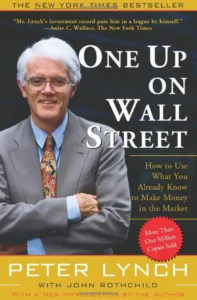
2. Peter Lynch Books
Peter Lynch Books” refers to a collection of investment books authored by Peter Lynch, a highly successful investor and former portfolio manager of the Fidelity Magellan Fund. In his books, Lynch shares his wealth of experience, insights, and investment strategies that have made him one of the most renowned and respected figures in the world of finance. While there are several books written by Peter Lynch, some of his most notable works include:
“One Up On Wall Street”: In this book, Lynch provides valuable advice on how individual investors can leverage their everyday knowledge and observations to find promising investment opportunities. He emphasizes the concept of “investing in what you know” and guides readers on how to identify potential winning stocks.
“Beating the Street”: “Beating the Street” delves into Lynch’s successful investment career and offers readers a glimpse into his decision-making process. Lynch shares stories of his investment triumphs and mistakes, allowing readers to learn from his experiences.
“Learn to Earn”: Geared towards younger readers and investors, “Learn to Earn” is a beginner-friendly book that explains the fundamentals of the stock market and the world of finance. Lynch uses simple language and real-world examples to educate readers about investing and financial literacy.
“Investment Classics”: This book is a compilation of Lynch’s favorite investment books, providing readers with a curated list of timeless classics that have influenced his investment philosophy.
In these books, Peter Lynch imparts his investment principles, such as conducting thorough research, staying disciplined, and adopting a long-term perspective. He emphasizes the importance of understanding the companies behind the stocks and the value of patience in letting investments grow over time.
Lynch’s books have become essential reads for investors seeking to navigate the complexities of the stock market and improve their investment prowess. His approachable writing style and practical advice have inspired generations of investors to become more confident and successful in managing their portfolios.
3. “Reminiscences of a Stock Operator” by Edwin Lefèvre
“Reminiscences of a Stock Operator” by Edwin Lefèvre is a captivating and timeless account of the life of Jesse Livermore, one of the most legendary stock traders in history. The book is presented as a fictionalized biography, providing valuable insights into the world of stock trading and the psychology of investing.
Reminiscences of a Stock Operato by Edwin Lefèvre
The book follows Jesse Livermore’s journey, from his early days as a young speculator to his rise as a prominent and successful trader. Throughout the narrative, readers are taken on a roller-coaster ride of stock market highs and lows, gaining a firsthand understanding of the emotions and thought processes that drive trading decisions.
Key elements of the book include:
Market Psychology: “Reminiscences of a Stock Operator” delves into the psychological aspects of trading and investing. It explores how human emotions, such as fear and greed, can influence market behavior and impact trading outcomes.
Risk Management: The book underscores the importance of risk management and the need to protect capital. Livermore’s experiences highlight the consequences of not adhering to prudent risk control.
Trading Strategies: Throughout the book, Livermore shares his trading strategies and techniques, including his famous “pivotal points” method for identifying turning points in the market.
Market Manipulation: The narrative sheds light on the practice of market manipulation and the impact it can have on stock prices and investor confidence.
Lessons Learned: “Reminiscences of a Stock Operator” offers valuable lessons and insights that can be applied to trading and investing, such as the value of patience, discipline, and learning from both successes and failures.
Financial Market History: The book provides a historical perspective on the financial markets during Livermore’s time, offering readers a glimpse into the market conditions and dynamics of the early 20th century.
Trading Adventures: Livermore’s trading adventures, successes, and occasional losses make for a compelling and educational read, making the book a favorite among traders and investors alike.
While “Reminiscences of a Stock Operator” is a fictionalized account, it is based on the experiences and trading philosophy of Jesse Livermore. The book continues to be highly regarded for its insights into the world of trading, making it a classic and enduring resource for those interested in the art of speculation and stock market psychology.
4. “Technical Analysis of the Financial Markets” by John J. Murphy
“Technical Analysis of the Financial Markets” by John J. Murphy is a comprehensive and authoritative guide to understanding and utilizing technical analysis in financial markets. The book is widely regarded as one of the definitive resources on technical analysis, offering valuable insights and practical techniques for traders and investors.
Technical Analysis of the Financial Market
Key components of the book include:
Introduction to Technical Analysis:John J. Murphy begins by introducing the concept of technical analysis and its significance in analyzing market trends and price movements. He explains the basic principles and tools used in technical analysis.
Chart Types and Patterns: The book covers various types of charts, including line charts, bar charts, and candlestick charts. It delves into different chart patterns, such as support and resistance levels, trendlines, and chart formations.
Technical Indicators: Murphy explores a wide range of technical indicators, both leading and lagging, which help traders identify potential entry and exit points in the market. These indicators include moving averages, oscillators, and momentum indicators.
Trends and Trendlines: Understanding market trends and drawing trendlines are critical aspects of technical analysis. The book explains how to identify and draw trendlines to assess the direction of the market.
Market Intermarket Analysis: Murphy delves into intermarket analysis, which involves analyzing the relationships between various financial markets, such as stocks, bonds, currencies, and commodities. This approach helps traders gain a broader perspective on market movements.
Risk Management: The book emphasizes the importance of risk management in trading and investing. Murphy provides insights into setting stop-loss levels and managing risk effectively.
Applying Technical Analysis: The book offers practical guidance on applying technical analysis to various financial instruments, including stocks, commodities, and currencies.
Combining Technical and Fundamental Analysis: Murphy discusses how technical analysis can complement fundamental analysis, helping traders make well-informed decisions based on both approaches.
Psychology and Discipline: Throughout the book, Murphy addresses the psychological aspects of trading and the importance of discipline in following a trading plan.
Real-Life Examples: The book includes numerous real-life examples and case studies, allowing readers to see how technical analysis principles are applied in actual market situations.
“Technical Analysis of the Financial Markets” is written in a clear and accessible manner, making it suitable for both beginners and experienced traders. John J. Murphy’s expertise and extensive knowledge of technical analysis make this book an invaluable resource for anyone looking to enhance their trading skills and navigate the complexities of financial markets with confidence.
5. “Japanese Candlestick Charting Techniques” by Steve Nison
Steve Nison introduced Japanese candlestick charting to the Western world. This book explores visual representations of price movements using candlestick patterns, helping traders understand market trends better.
Introduction to Japanese Candlesticks: Steve Nison begins by providing an introduction to Japanese candlestick charting and its historical origins in Japan. He explains the significance of candlestick patterns in analyzing price movements and market trends.
Candlestick Construction: The book covers the construction of individual candlesticks and the various components of a candlestick, such as the body, wick, and shadow. Nison explains how to interpret the size and shape of candlesticks to gauge market sentiment.
Candlestick Patterns: Nison introduces a wide range of candlestick patterns, including bullish and bearish patterns, single candlestick patterns, and multiple candlestick patterns. Each pattern is accompanied by real-life examples and explanations of their implications for traders.
Reversal Patterns: The book explores candlestick reversal patterns, which indicate potential trend reversals in the market. Nison explains how traders can use these patterns to identify key turning points.
Continuation Patterns: Nison also covers candlestick continuation patterns, which suggest that existing trends are likely to continue. These patterns help traders confirm the prevailing trend’s strength and direction.
Japanese Candlestick Techniques: Nison provides advanced techniques and strategies for applying candlestick patterns to trading. He discusses how to combine candlestick signals with other technical indicators for enhanced trading decisions.
Candlestick Charting in Different Markets: The book explores the application of candlestick charting techniques to various financial markets, including stocks, commodities, currencies, and futures.
Psychology of Candlesticks: Nison delves into the psychology behind candlestick patterns and how they reflect the collective emotions of market participants.
Risk Management and Trading Plans: Throughout the book, Nison emphasizes the importance of risk management and trading discipline in conjunction with candlestick analysis.
Practical Examples: “Japanese Candlestick Charting Techniques” includes numerous real-life trading examples, enabling readers to see how candlestick patterns are used in actual market scenarios.
The book’s clear explanations and extensive use of examples make it suitable for both beginners and experienced traders. Steve Nison’s contribution in bringing Japanese candlestick charting to the Western world has had a lasting impact on the field of technical analysis. As a result, “Japanese Candlestick Charting Techniques” remains a timeless and valuable resource for traders seeking to gain insights into market trends and make well-informed trading decisions.
6. “Encyclopedia of Chart Patterns” by Thomas N. Bulkowski
“Encyclopedia of Chart Patterns” by Thomas N. Bulkowski is an extensive and authoritative reference guide that provides a comprehensive analysis of various chart patterns used in technical analysis. The book is a valuable resource for traders and investors seeking to identify and interpret chart patterns to make informed decisions in the financial markets.
Encyclopedia of Chart Patterns
Key components of the book include:
Introduction to Chart Patterns:Thomas N. Bulkowski begins by introducing the concept of chart patterns and their significance in technical analysis. He explains how chart patterns can help traders identify potential price movements and trends in financial instruments.
Chart Pattern Classification: The book classifies chart patterns into different categories, such as reversal patterns and continuation patterns. Each category is further broken down into specific chart patterns, allowing readers to easily navigate and study them.
Reversal Patterns: Bulkowski explores a wide range of reversal chart patterns, which signal potential trend reversals in the market. These patterns include well-known ones like head and shoulders, double tops, and double bottoms, among others.
Continuation Patterns: The book covers continuation chart patterns that suggest the continuation of existing trends. These patterns provide traders with insights into the momentum and strength of prevailing trends.
Performance Statistics: One of the book’s distinguishing features is its extensive performance statistics for each chart pattern. Bulkowski provides data on the success rates of different chart patterns, helping traders gauge the reliability of each pattern.
Trading Tactics: Bulkowski shares trading tactics and strategies for each chart pattern, providing guidance on entry and exit points, stop-loss levels, and profit targets.
Price Targets and Measuring Techniques: The book explains how to calculate price targets for various chart patterns and employs measuring techniques to estimate potential price movements.
Filtering Techniques: Bulkowski discusses filtering techniques to enhance the accuracy of chart pattern signals and reduce false signals.
Illustrative Charts: Throughout the book, Bulkowski includes numerous illustrative charts and real-life examples, making it easier for readers to recognize and understand chart patterns.
Psychology of Chart Patterns: The book delves into the psychology behind chart patterns and how they reflect market participants’ collective actions and sentiments.
“Encyclopedia of Chart Patterns” is a comprehensive and well-organized reference guide that serves as an invaluable tool for traders and investors. Thomas N. Bulkowski’s meticulous research and analysis have made this book a go-to resource for understanding and utilizing chart patterns effectively. Whether one is a novice or an experienced trader, this book provides valuable insights into the world of technical analysis and chart pattern recognition.
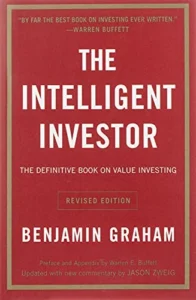
7. “The Intelligent Investor” by Benjamin Graham
“The Intelligent Investor” by Benjamin Graham is a timeless and influential book on value investing, written for both seasoned investors and beginners. Widely regarded as one of the greatest investment classics of all time, the book imparts valuable insights and principles that have shaped the investment philosophy of many successful investors.
Value Investing Principles: Benjamin Graham introduces the concept of value investing, which involves analyzing stocks based on their intrinsic value rather than market fluctuations. He emphasizes the importance of a disciplined, long-term approach to investing.
Margin of Safety: One of the central tenets of the book is the concept of a “margin of safety.” Graham advises investors to buy stocks at prices significantly below their intrinsic value to protect against potential losses.
Market Fluctuations: Graham discusses the psychology of market fluctuations and how they can lead to emotional decision-making by investors. He advocates for staying rational and patient during market ups and downs.
Fundamental Analysis: The book emphasizes the importance of thorough fundamental analysis, including examining a company’s financial statements, earnings, and growth prospects.
Defensive vs. Enterprising Investors: Graham distinguishes between defensive investors (those seeking safety and steady returns) and enterprising investors (those willing to put in more effort for potentially higher returns).
Stock Selection: Graham provides guidelines for selecting stocks, including criteria for identifying undervalued and financially stable companies.
Bonds and Fixed-Income Securities: The book also covers bonds and fixed-income securities as alternative investment options.
Market History and Lessons: Graham shares lessons from market history and highlights the importance of learning from past financial crises.
Investment vs. Speculation: The book distinguishes between investing and speculation, urging readers to approach the stock market with a focus on long-term investment rather than short-term speculation.
Updates and Commentary: Throughout the book, updated commentaries by Jason Zweig provide contemporary insights and relate Graham’s principles to current market conditions.
“The Intelligent Investor” continues to be relevant and highly regarded for its timeless wisdom and practical advice. Benjamin Graham’s emphasis on a conservative and disciplined investment approach has influenced generations of investors and remains a cornerstone of value investing strategies. Whether one is an aspiring investor or a seasoned professional, this book serves as a comprehensive guide to achieving financial success and security through intelligent and prudent investing.
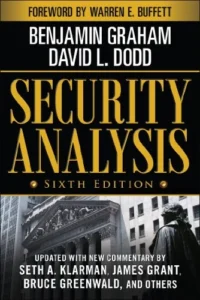
8. “Security Analysis” by Benjamin Graham and David L. Dodd
“Security Analysis” by Benjamin Graham and David L. Dodd is a seminal work in the field of finance and investing. First published in 1934, the book is considered the definitive guide to the principles and techniques of fundamental analysis, specifically in the context of analyzing and valuing securities, such as stocks and bonds.
Fundamental Analysis Principles: “Security Analysis” delves into the principles of fundamental analysis, emphasizing the importance of understanding a company’s financial health, earnings potential, and intrinsic value.
Valuation Techniques: The book provides a detailed examination of various valuation techniques used to assess the fair value of securities. Graham and Dodd introduce methods such as discounted cash flow (DCF) analysis and relative valuation.
Financial Statement Analysis: Graham and Dodd emphasize the significance of analyzing financial statements, including the income statement, balance sheet, and cash flow statement. They explain how to interpret financial data to gain insights into a company’s performance and prospects.
Margin of Safety: Similar to Graham’s approach in “The Intelligent Investor,” “Security Analysis” emphasizes the importance of a margin of safety when investing. The authors advocate for buying securities at prices below their intrinsic value to protect against potential losses.
Investment vs. Speculation: Graham and Dodd draw a clear distinction between investing and speculation, encouraging readers to adopt a conservative, long-term investment approach.
Market Fluctuations and Behavioral Finance: The book explores the psychology of market fluctuations and human behavior, shedding light on the role of investor emotions in shaping market movements.
Fixed-Income Securities: In addition to equities, “Security Analysis” covers the analysis of fixed-income securities, such as bonds, providing readers with a comprehensive understanding of various investment options.
Case Studies: Throughout the book, the authors include numerous real-life case studies, demonstrating how to apply their analysis principles to actual investment scenarios.
Updates and Revisions: Over the years, “Security Analysis” has undergone revisions and updates to incorporate contemporary market developments and provide relevance to modern investors.
Legacy and Influence: The book’s lasting legacy lies in its profound impact on the field of finance and its influence on the investment philosophies of many successful investors, including Warren Buffett.
“Security Analysis” remains an essential read for finance professionals, investors, and anyone seeking a thorough understanding of fundamental analysis and the art of valuing securities. Benjamin Graham and David L. Dodd’s groundbreaking work continues to be regarded as a cornerstone of investment literature, offering timeless wisdom and valuable insights into the world of security analysis and intelligent investing.
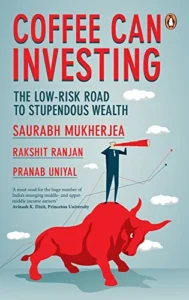
9. “Coffee Can Investing”
“Coffee Can Investing” is a term and investment philosophy popularized by Saurabh Mukherjea, the author of the book “Coffee Can Investing: The Low-Risk Road to Stupendous Wealth.” The book presents a unique and straightforward approach to long-term investing that emphasizes patience, discipline, and low portfolio turnover.
Key components of the book and the coffee can investing approach include:
Long-Term Horizon: Coffee can investing advocates for a long-term investment horizon, often spanning a decade or more. Investors are encouraged to stay invested in quality stocks for extended periods, allowing them to benefit from compounding returns.
Limited Portfolio Churn: The philosophy discourages frequent buying and selling of stocks. Instead, investors are advised to create a “coffee can portfolio” of high-quality stocks and hold them for the long term, minimizing portfolio turnover.
Quality Over Quantity: The focus is on quality over quantity when selecting stocks. Investors are advised to invest in well-established companies with strong fundamentals, consistent growth, and competitive advantages.
Limited Monitoring: Coffee can investing promotes limited monitoring of the portfolio. Investors need not continuously track the stock prices or market movements, reducing the temptation to make impulsive decisions based on short-term fluctuations.
Low-Risk Approach: By selecting fundamentally strong companies and holding them for the long term, coffee can investing aims to reduce the risks associated with market volatility and short-term market fluctuations.
Diversification within Reason: The book advocates for diversification but within reason. Investors are encouraged to diversify their holdings, but not excessively, to maintain a concentrated portfolio of high-quality stocks.
Psychology of Investing: The book delves into the psychological aspects of investing, emphasizing the importance of emotional discipline and the ability to withstand market volatility.
Historical Performance: The book provides real-world examples and historical data to support the effectiveness of the coffee can investing approach.
Overall, “Coffee Can Investing” presents a simple yet powerful investment strategy that aligns with the principles of long-term value investing. By adopting a patient and disciplined approach, investors can potentially achieve significant wealth creation while minimizing the stress and risks associated with frequent trading and market timing.
Please note that the details provided here are a general overview of the coffee can investing philosophy and its key principles as presented in the book. For a more comprehensive understanding and application of this approach, readers are encouraged to refer to the book “Coffee Can Investing: The Low-Risk Road to Stupendous Wealth” by Saurabh Mukherjea.
10. Conclusion
These top 10 books on stock buying offer a wealth of knowledge and wisdom, empowering investors to navigate the market with confidence and make informed decisions. Each book adds a unique perspective, contributing to the reader’s growth as a successful investor.
What are the best books for stock buying beginners?
For beginners, “Common Stocks Uncommon Profits” by Philip A. Fisher and Peter Lynch’s books are excellent starting points.
How do I choose the right stock buying books?
Consider your investing goals and preferences. Books like “The Intelligent Investor” cater to value investors, while technical traders may benefit from John J. Murphy’s book.
Are these books suitable for experienced investors as well?
Absolutely! Experienced investors can gain new insights and reinforce their knowledge from these timeless classics.
Should I focus on one investment strategy from these books?
It’s beneficial to explore various strategies and integrate them into your investment approach.
Can reading these books guarantee investment success?
While no book can guarantee success, they equip you with valuable knowledge and strategies that can enhance your investment journey.
What should I read if I want to invest?
If you want to start investing, consider reading “The Intelligent Investor” by Benjamin Graham. This classic book offers timeless principles of value investing and emphasizes a disciplined, long-term approach to the stock market.
What book should I read to learn about the stock market?
For learning about the stock market, “A Random Walk Down Wall Street” by Burton G. Malkiel is an excellent choice. This book explores different investment strategies and provides insights into market efficiency.
What is the first book I should read on investing?
As a beginner, start with “The Little Book of Common Sense Investing” by John C. Bogle. This book emphasizes the importance of low-cost index funds and passive investing for long-term success.
How I Made $2,000,000 in the stock?
“How I Made $2,000,000 in the Stock Market” by Nicolas Darvas is a personal account of his successful stock trading journey and the techniques he used to achieve remarkable gains.
How can I invest smartly?
Investing smartly involves diversification, setting clear financial goals, and staying informed about your investments. Consider reading “The Bogleheads’ Guide to Investing” by Taylor Larimore, Mel Lindauer, and Michael LeBoeuf for practical advice.
What is the smartest way to start investing?
The smartest way to start investing is by educating yourself and investing in low-cost, diversified index funds. “I Will Teach You to Be Rich” by Ramit Sethi is a great resource for young investors.
What are 4 types of investments?
The four main types of investments are stocks (equities), bonds (fixed-income securities), cash equivalents, and real estate. Each asset class has its risk and return characteristics.
Can I learn trading from books?
Yes, you can learn trading from books. “Market Wizards” by Jack D. Schwager features interviews with successful traders, offering valuable insights into their strategies and mindset.
How do I study stocks?
To study stocks, focus on understanding a company’s financials, industry prospects, and competitive advantages. “The Little Book That Still Beats the Market” by Joel Greenblatt explains a straightforward stock-picking strategy.
What is rule number 1 of investing?
Rule number 1 of investing, as advocated by Warren Buffett, is to never lose money. Preserve capital by investing in strong, undervalued companies with a margin of safety.
How do I start reading stocks?
Start reading stocks by analyzing financial statements, learning about valuation methods, and keeping up with industry news. “How to Make Money in Stocks” by William J. O’Neil offers a comprehensive guide to stock analysis.
How do beginners read stocks?
For beginners, focus on understanding key financial ratios, such as price-to-earnings (P/E) ratio and earnings per share (EPS). “Stock Investing For Dummies” by Paul Mladjenovic is a beginner-friendly resource.
How a 24-year-old stock trader made 8 million dollars in 2 years?
The story of the 24-year-old stock trader making 8 million dollars in 2 years is likely shared in various books and articles. One such example is “How to Make Money in Stocks Success Stories” by Amy Smith, which features inspiring trading success stories.
Can stocks make you a millionaire?
Yes, stocks have the potential to make you a millionaire over time. Consistent investing, compounding returns, and a long-term perspective can lead to significant wealth accumulation.
Can you buy 1 million shares of a stock?
Technically, you can buy 1 million shares of a stock if you have enough capital. However, such a large purchase could significantly impact the stock’s price, so institutional investors typically execute such trades.