Do Not Eat These 6 Things with Curd Even by Mistake – It Can Lead to Severe Diseases
Avoid combinations like bananas, milk, fish, tomato, urad dal, and mangoes with curd, to prevent digestive discomfort and health issues.
Est: 5 min
Updated: August 20, 2023
Table of Contents
Curd is a nutritious dairy product that offers several health benefits. It is a rich source of probiotics, calcium, and protein, which support gut health, boost the immune system, aid digestion, and promote bone health.
Introduction: Curd
Curd, also known as yogurt, is a popular dairy product enjoyed by millions of people around the world. It is not only a delicious addition to meals but also boasts numerous health benefits, such as improving digestion and boosting the immune system. However, it is essential to be cautious about certain food combinations with curd that can lead to severe health issues. In this blog, we will explore six food items that should never be consumed with curd, even by mistake, to avoid potential adverse effects on our health.
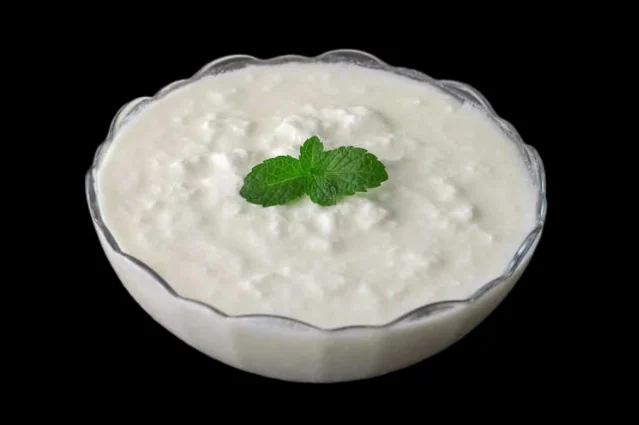
Yogurt
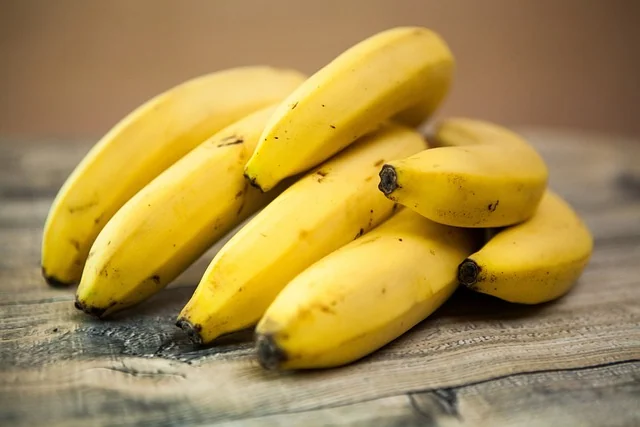
Banana with Curd
The combination of banana and curd is considered incompatible in Ayurveda, an ancient Indian system of medicine. Both foods have distinct tastes and properties, which can cause an imbalance in the body’s doshas, leading to digestive problems, heaviness, and toxins buildup. Instead, enjoy bananas separately as a quick and nutritious snack.
Banana
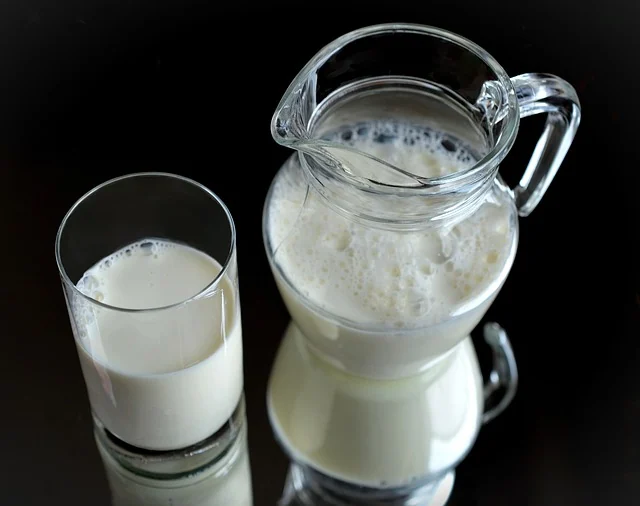
Milk with Curd
Milk and curd are both dairy products with different properties. Consuming them together can disrupt the digestive process, as they have diverse compositions and may create an acidic environment in the stomach. The combination can lead to indigestion, gas, and bloating. It is advisable to consume milk and curd at different times to avoid any potential discomfort.
Milk
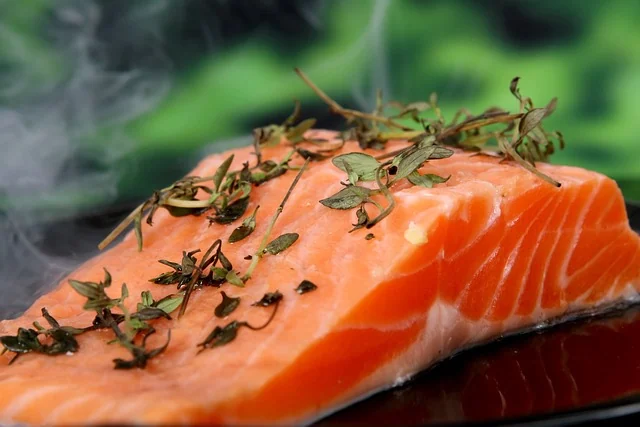
Fish and Meat with Curd
Curd is rich in probiotics, which are beneficial bacteria that aid in digestion. However, when combined with fish or meat, which are heavy proteins, it can lead to an imbalance in the digestive process. It should never be consumed together, as this combination can lead to skin-related issues. The high protein content in seafood and the lactic acid in curd may react negatively, leading to skin problems like rashes, itching, or rednes. It is best to enjoy fish and meat dishes without curd.
Fish
Tomato with Curd
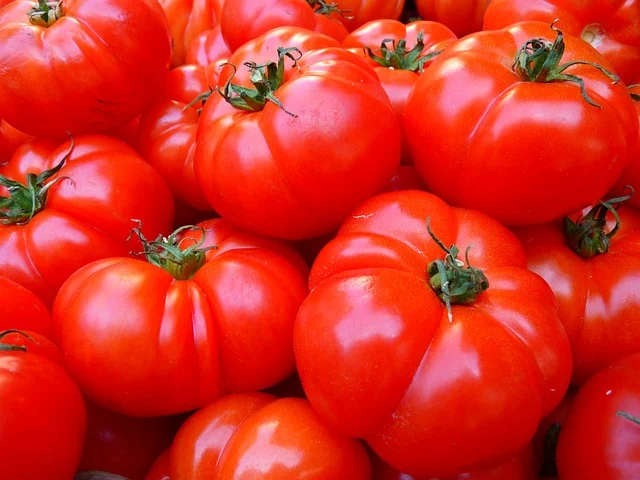
Tomatoes are highly acidic, and when combined with curd, which is also acidic, it can lead to excessive acidity in the stomach. This can cause heartburn, acid reflux, and other digestive discomforts. To avoid any adverse reactions, consume tomatoes separately or use them in dishes that do not include curd.
Tomato
Urad Dal with Curd
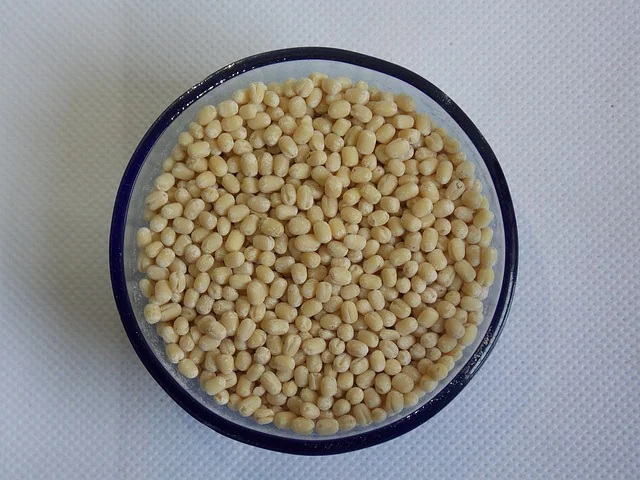
Urad dal, commonly known as black gram, is a legume that can be heavy to digest. When paired with curd, which also requires some time to digest, it can overload the digestive system, leading to gas, bloating, and indigestion. It is best to avoid this combination and opt for lighter dal options when consuming curd.
Urad Dal
Mango with Curd
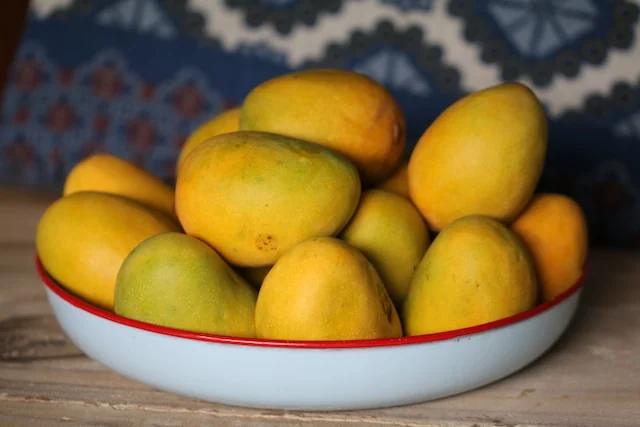
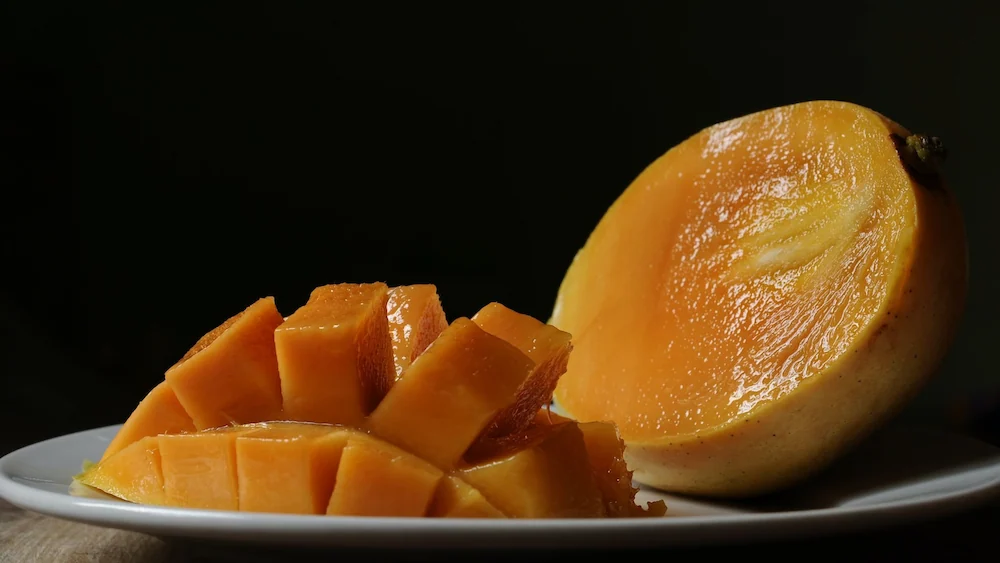
Mangoes are delicious tropical fruits loved by many during the summer. However, when eaten with curd, the combination can lead to fermentation in the stomach, causing an upset stomach and other digestive issues. To relish the goodness of mangoes, savor them on their own or as part of fruit salads without curd.
Mango
Conclusion
While curd is a nutritious and beneficial food, it is essential to be cautious about its combination with certain foods. Avoiding these incompatible pairings can help maintain a healthy digestive system and prevent potential health problems. Instead, experiment with other tasty and compatible ingredients to enhance your curd-based dishes. Remember to listen to your body and make informed food choices to support your well-being. Enjoy the goodness of curd responsibly and keep your health in check for a happy and thriving life.
FAQs
What should not be eaten with curd?
Certain foods should not be eaten with curd to avoid digestive issues and potential health problems. Examples include bananas, milk, fish, tomatoes, urad dal, and mangoes.
Why is fish not eaten with curd?
Fish and curd should not be consumed together as the combination of heavy proteins in fish and probiotics in curd can disrupt digestion and lead to toxin formation in the body.
What are the problems of curd?
While curd offers numerous health benefits, it can cause digestive discomfort when consumed with incompatible foods. Some individuals may also be lactose intolerant, leading to digestive issues with curd.
When should you avoid curd?
It is advisable to avoid consuming curd with certain foods like fish, meat, bananas, and tomatoes, as well as when you have digestive issues or are lactose intolerant.
What should not be eaten with curd?
Foods that should not be eaten with curd include bananas, milk, fish, tomatoes, urad dal, and mangoes, as they can lead to digestive problems and discomfort.
Can we eat onion and curd together?
Yes, onion and curd can be safely consumed together, and this combination is commonly used in various Indian dishes like raita.
When should you not eat curd?
It is best to avoid consuming curd with certain foods mentioned above and when you have a history of lactose intolerance or experience digestive issues after consuming curd.
What happens if we eat curd and mango together?
Consuming curd and mango together can lead to fermentation in the stomach, causing digestive discomfort and upset stomach. It is advisable to avoid this combination.
Which fruits should not be mixed with curd?
Fruits with high vitamin C content, such as oranges, strawberries, and kiwis, should not be mixed with curd, as the acidity can curdle the milk proteins and cause digestive issues.
Can we eat curd with eggs?
Curd and eggs can be consumed together. However, some individuals may experience digestive discomfort due to the combination of these two protein-rich foods.
Can curd be poisonous?
No, curd is not poisonous. It is a nutritious dairy product with probiotics, calcium, and protein, and it offers various health benefits.
Is salt in curd a poison?
No, salt in curd is not poisonous. In fact, adding a moderate amount of salt to curd enhances its taste and does not pose any harm when consumed in recommended quantities.
Is curd poison at night?
Curd is not poisonous at night or at any time.
However, consuming curd late at night might cause discomfort for some individuals, especially those with lactose intolerance or digestive issues.
What is the bacteria in curd?
The bacteria in curd are lactic acid bacteria, specifically strains like Lactobacillus bulgaricus and Streptococcus thermophilus. These beneficial bacteria aid in the fermentation process, giving curd its texture and tangy taste, and also provide probiotic benefits for gut health.