Fast Internet (2023): Buy SpaceX Starlink Internet on Amazon Now!
Get SpaceX's Starlink Internet on Amazon for lightning-fast connectivity anywhere. Order now and experience high-speed from the heavens!
Est: 6 min
Updated: August 17, 2023
Table of Contents
Starlink Internet by SpaceX:
Starlink is a satellite internet constellation being developed and deployed by SpaceX, the private aerospace company founded by Elon Musk. The aim of Starlink is to provide global, high-speed, low-latency internet access to underserved and remote areas around the world. And the best part? You can now get your hands on this high-speed wonder right from the comfort of your home through Amazon.
Imagine a world where slow internet, dropped calls, and lagging video streams are a thing of the past. With Starlink Internet, this future is becoming a reality. SpaceX has launched a constellation of advanced satellites into low Earth orbit, forming a network that blankets the planet in a web of high-speed internet coverage. This means that whether you’re in a bustling city or a remote rural area, you can enjoy seamless online experiences like never before.
Why Starlink Internet?
Starlink Internet isn’t just about speed; it’s about transcending limitations. Traditional internet services often struggle to reach rural or isolated areas, leaving many without access to the digital world. Starlink changes the game by delivering high-speed, low-latency internet to places that were previously underserved. It’s not just an innovation; it’s a lifeline for those who have long yearned for reliable connectivity.
How It Works:
The Starlink constellation consists of thousands of small satellites in low Earth orbit (LEO). These satellites work together to form a network that beams internet signals to ground stations and user terminals (dishes) on the Earth’s surface. Users subscribe to the Starlink service, receive a user terminal (dish), and connect it to a Wi-Fi router or other network equipment to access the internet.
Key Features:
Global Coverage: Starlink aims to provide internet access to virtually every corner of the globe, including rural and remote areas where traditional internet infrastructure is lacking.
High Speeds: Starlink promises high-speed internet with download speeds ranging from 50 Mbps to 150 Mbps, and even higher in some cases. These speeds can vary based on network load and other factors.
Low Latency: One of the significant advantages of Starlink is its low latency, which is crucial for activities like online gaming, video conferencing, and other real-time applications.
Mobile Connectivity: While initially designed for fixed installations, SpaceX has expressed interest in creating a mobile user terminal to extend Starlink connectivity to vehicles, ships, and aircraft.
Continuous Improvement: SpaceX regularly launches new satellites and updates the network to improve performance and coverage.
Challenges and Concerns:
Satellite Debris: The increasing number of satellites in low Earth orbit has raised concerns about space debris and its potential impact on astronomy.
Regulatory Approval: Starlink’s deployment has raised regulatory and licensing challenges in some countries due to concerns about interference with existing services and orbital congestion.
Cost: While Starlink aims to provide connectivity to underserved areas, the cost of the service may be prohibitive for some potential users.
Getting Starlink via Amazon
The convenience of accessing SpaceX’s Starlink Internet through Amazon is a game-changer. No need to wait for technicians to install cables or infrastructure in your area – simply order the Starlink kit from Amazon, and you’re on your way to experiencing the internet from the heavens.
The kit includes a Starlink dish, a dish mount, and a Wi-Fi router base unit, making it easy to set up and get started. The equipment is designed to receive signals from the Starlink satellites, which orbit at an altitude of around 340 miles. This ensures that you have a coverage range of up to approximately 600 miles in all directions, depending on your location.
Experience the Future Today
SpaceX’s Starlink Internet is more than just a product; it’s an embodiment of innovation that brings us closer to the stars. With its ability to provide reliable and lightning-fast internet to even the most remote corners of the world, it’s opening doors to new opportunities in education, business, entertainment, and beyond.
So, whether you’re a digital nomad seeking consistent connectivity, a rural resident eager to join the online world, or simply someone who values high-speed internet, Starlink is your answer. Order it now from Amazon and experience the magic of “High-Speed from the Heavens” firsthand. Embrace the future of connectivity with SpaceX’s Starlink Internet.
Frequently Asked Questions (FAQ) about Starlink Internet
When will Starlink service be available?
Starlink hasn’t disclosed specific rollout areas or timelines. If Starlink isn’t in your area yet, stay updated by checking the official Starlink site regularly.
Is Starlink available anywhere?
Currently, Starlink primarily serves northern US states, with some exceptions. It’s offered in the US, Canada, Australia, New Zealand, Denmark, Austria, Belgium, France, Germany, the Netherlands, and the United Kingdom.
Can Starlink be used on-the-go?
Yes, you can take Starlink internet with you using the RV service plan, costing $150 per month, slightly more than the residential plan.
Does weather impact Starlink?
Weather doesn’t significantly affect Starlink, as the satellite dish operates in temperatures from -22°F to 104°F. However, some beta testers experienced service loss due to excessive heat.
What’s the cost of Starlink internet?
Starlink residential service is $120 per month plus a $599 equipment fee. Elon Musk aims to reduce equipment costs in the future, possibly to $250.
Is Starlink data unlimited?
Currently, Starlink provides unlimited data without hard caps.
Is Starlink fixed broadband or mobile?
Starlink is described as “low-latency broadband internet,” not a fixed broadband system.
What are Starlink’s internet speeds?
Starlink promises 20–100 Mbps download speeds, but actual speeds vary. As more satellites and base stations are added, download speeds are expected to improve.
Is Starlink suitable for gaming?
Starlink’s low latency (40 ms reported) makes it viable for gaming, though watch for slower download speeds for game patches and occasional service disconnects.
Can Starlink support streaming?
Latest median download speed reported by Ookla is 105 Mbps, enough for 4K streaming. Note that other connected devices may use up bandwidth.
Will Starlink replace 5G?
Starlink won’t replace 5G, as 5G is ideal for urban areas. Starlink complements 5G, catering to rural regions where 5G coverage is lacking due to limited infrastructure.
How many Starlink satellites has SpaceX launched?
SpaceX deployed its initial batch of 60 Starlink satellites into Earth’s lower orbit in May 2019 using a Falcon 9 rocket. The company currently has over 4,000 satellites in orbit and envisions launching up to 42,000 satellites in the future.
How many Starlink satellites are currently in orbit?
More than 4,500 Starlink satellites are presently in orbit, constituting over 50 percent of all operational satellites. Their increasing numbers are already impacting the night sky, even before Elon Musk’s proposed constellation of up to 42,000 satellites becomes a reality.
When can I spot SpaceX’s Starlink satellites?
Starlink satellites move swiftly, completing an orbit around the Earth in 90 minutes. They return to a familiar point approximately every 90 minutes, appearing again within about 2 hours of a prior sighting.
What is the monthly cost of Starlink?
Starlink provides three package options:
Starlink internet is priced at $110 per month, with a one-time equipment fee of $599.
Starlink RV internet costs $135 per month, alongside a $599 upfront equipment fee.
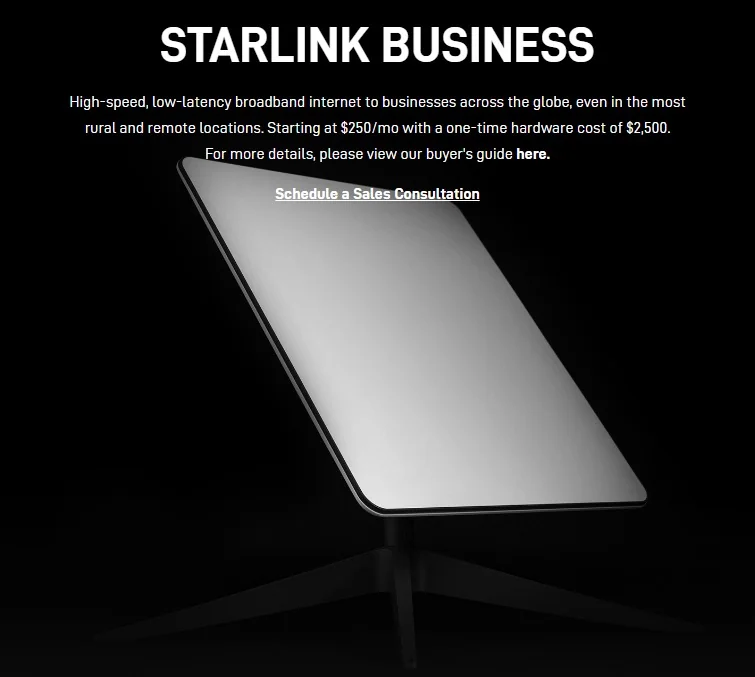
Starlink Business is available at $500 per month, with a one-time equipment fee of $2,500.
What is the lifespan of Starlink satellites?
Each Starlink satellite is designed to last approximately five years. SpaceX’s overarching goal is to deploy around 42,000 satellites within its megaconstellation.
How many satellites does Elon Musk’s company control?
More than 8,000 active satellites currently encircle the Earth, with over half—roughly 4,500—being under the control of Elon Musk’s company.
Who operates Starlink satellites?
American aerospace firm SpaceX operates the Starlink satellite internet constellation. It offers coverage to over 60 countries and has plans to extend its services to global mobile phone coverage after 2023. SpaceX initiated Starlink satellite launches in 2019.
What are the internet speeds of Starlink?
Starlink users typically experience download speeds ranging from 25 to 220 Mbps, with many users reporting speeds exceeding 100 Mbps. Upload speeds generally fall between 5 and 20 Mbps.
Does Starlink function during adverse weather conditions?
Starlink maintains reliable connectivity during light rain or snow. However, during severe storms or heavy snowfall, temporary interruptions might occur, resulting in a modest reduction in speeds—usually around 30-40% slower than usual.
Is a wireless router included with Starlink?
The Starlink kit comes equipped with essential components, including a Starlink dish, dish mount, and a Wi-Fi router base unit. Power cables for the base unit and a 75-foot cable for linking the router to the dish are also provided.
Why does Starlink performance dip at night?
Starlink speeds can decrease during peak internet usage hours (5pm-10pm) due to network congestion. This arises from numerous Starlink customers in the same area attempting to connect simultaneously.
What’s the coverage range of Starlink WIFI?
The Starlink router receives signals from satellites orbiting at around 340 miles above Earth. This results in a coverage range of up to approximately 600 miles in all directions, contingent upon the user’s location.
Which entity owns the most satellites globally?
The United States possesses the most satellites orbiting Earth, with 2,804 satellites under American ownership or operation, representing over half of the total satellite count.
Is Starlink superior to 5G?
In terms of initial costs, Starlink is more affordable. However, the service cost is higher than 5G plans. Starlink offers considerably faster speeds than 5G, making it an attractive option for those seeking reliable, high-speed internet access.