Tech
Bringing Interesting Ideas to Life with 3D Pens: A World of Art and Imagination
"Explore the world of 3D pen artistry, unleash creativity, and get expert insights in our comprehensive guide."
Est: 7 min
Updated: August 15, 2023

In the realm of artistic innovation, the 3D pen has emerged as a remarkable tool that bridges the gap between traditional drawing and three-dimensional creation. Whether you’re a seasoned artist, a parent looking to engage your kids’ creativity, or simply curious about this cutting-edge technology, the world of 3D pen art offers a mesmerizing journey into the world of imagination. In this blog, we’ll explore the wonders of 3D pens, their artistic potential, ideas for all ages, the best options on the market, ready-to-use templates, and where to find them, including the ever-reliable Amazon.
The 3D pen, also known as a 3D printing pen, revolutionizes traditional art by enabling artists and enthusiasts to create three-dimensional structures using melted plastic filament. Similar to a hot glue gun, these pens extrude heated plastic that cools down rapidly, allowing users to draw in the air, build intricate designs, and even make freestanding sculptures. This unique blend of drawing and sculpting has opened up endless possibilities for creativity.

Children possess boundless imagination, and 3D pens provide a medium to bring their ideas to life. 3D pens for kids are designed with safety in mind, featuring lower temperature settings and user-friendly designs. From crafting miniature models to embellishing school projects, 3D pens empower kids to visualize their concepts in three dimensions. The tactile nature of using a 3D pen enhances spatial awareness and fine motor skills, making it an educational and engaging tool.

If you’re new to the world of 3D pen art, starting with simple designs and basic shapes is a great way to build confidence. As you become more comfortable, you can venture into creating intricate patterns, lifelike sculptures, and functional objects. Whether you’re interested in fashioning jewelry, personalized phone cases, home décor, or artistic displays, the 3D pen is your gateway to crafting the extraordinary.
Choosing the best 3D pen depends on your skill level, budget, and intended use. Features like adjustable temperature settings, filament compatibility, and ergonomic design should be considered. Conducting thorough research will ensure you find the perfect fit for your creative endeavors.
These key features provide an overview of the capabilities and advantages offered by each 3D pen model. When choosing a 3D pen, consider your skill level, the type of projects you’re interested in, and the features that align with your creative needs.
For those seeking guidance or looking to replicate intricate designs, 3D pen templates are a valuable resource. These ready-to-use blueprints provide step-by-step instructions, allowing you to create stunning pieces without the initial design struggle. From animals and landmarks to complex geometric shapes, templates offer a shortcut to remarkable creations.
The convenience of online shopping, especially on platforms like Amazon, opens up a world of possibilities for acquiring 3D pens. A wide variety of brands, models, and accessories are readily available, and customer reviews can guide you in making an informed decision. Amazon’s user-friendly interface and reliable shipping make it a go-to destination for all things 3D pen related.
In the dynamic realm of art, the 3D pen stands as a revolutionary tool that marries the realms of drawing and sculpting. From unleashing the creativity of kids to challenging the skills of experienced artists, 3D pens offer a transformative experience. The journey from basic shapes to intricate designs is an adventure worth embarking upon, and with the guidance of templates and the convenience of platforms like Amazon, this journey is more accessible than ever before. So, grab your 3D pen and embark on a creative odyssey that knows no bounds.
Yes, 3D pens do work. They extrude heated plastic filament that quickly cools and solidifies, allowing you to draw in three dimensions and create various objects.
3D pens are used for artistic creations, DIY projects, crafts, prototypes, educational purposes, and more. They offer a unique way to bring your ideas to life in three dimensions.
Most 3D pens heat up within 1 to 2 minutes. However, exact heating times can vary depending on the pen’s model and brand.
For beginners, it’s best to start with simple shapes and designs. Practice controlling the speed and extrusion while gradually progressing to more complex projects as your skills improve.
No, 3D pens don’t use ink. They work by melting and extruding plastic filament, which then solidifies to form your creations.
You can use a 3D pen for extended periods, but it’s advisable to take breaks to prevent overheating and ensure your comfort.
Disadvantages include a learning curve, potential for clogs or jams, limited precision compared to 3D printers, and the need to manually control the extrusion.
The cost of a 3D pen varies based on the brand, features, and model. Prices typically range from $20 to $200.
3D pens can be used on surfaces like paper, cardboard, glass, plastic, and certain textiles. It’s important to use appropriate surfaces to avoid damage.
Consider factors such as adjustable temperature settings, filament compatibility, ease of use, speed control, and ergonomic design when purchasing a 3D pen.
Yes, you can reuse 3D pen plastic by melting down and re-extruding leftover filament or scraps.
Yes, a 3D pen can stick to paper, but it’s advisable to use non-stick surfaces or a release agent to prevent sticking.
To stop using a 3D pen, simply release the extrusion button and wait for the plastic to cool down before storing the pen.
A 3D pen offers a hands-on creative experience, allowing you to turn ideas into tangible objects. It’s a versatile tool for artistic expression and DIY projects.
Most 3D pens take 1 to 2 minutes to heat up, but heating times can vary among different models.
The longevity of filament depends on usage. A spool of filament can last for several hours of continuous drawing.
Heated plastic filament can emit a mild odor, but it’s generally not overpowering. Adequate ventilation is recommended.
The cost of 3D printing depends on factors like filament, printer maintenance, and energy consumption. While initial investment can be high, it can be cost-effective for certain applications.
Wearing a mask is recommended in well-ventilated areas to minimize exposure to any potential fumes from heated plastic.
A 3D pen’s extruded plastic will stick to surfaces until it cools down and solidifies.
A 3D pen extrudes plastic to create three-dimensional objects, while a normal pen writes or draws in two dimensions.
3D printing might not be suitable for mass production, objects requiring high precision, or items that require specific material properties, like extreme durability.
The strength of the plastic depends on the type of filament used. Certain filaments, like ABS, can be relatively strong, but they might not match the strength of industrially produced plastics.
Smoking from a 3D pen could indicate overheating or using incorrect filament. Turn off the pen and let it cool down before troubleshooting.
Curling can happen due to uneven cooling of the extruded filament. Experiment with speed, temperature, and surface choice to minimize curling.
To draw with a 3D pen, insert a filament spool, heat the pen, and start extruding plastic while moving the pen to create lines, shapes, and structures in three dimensions.
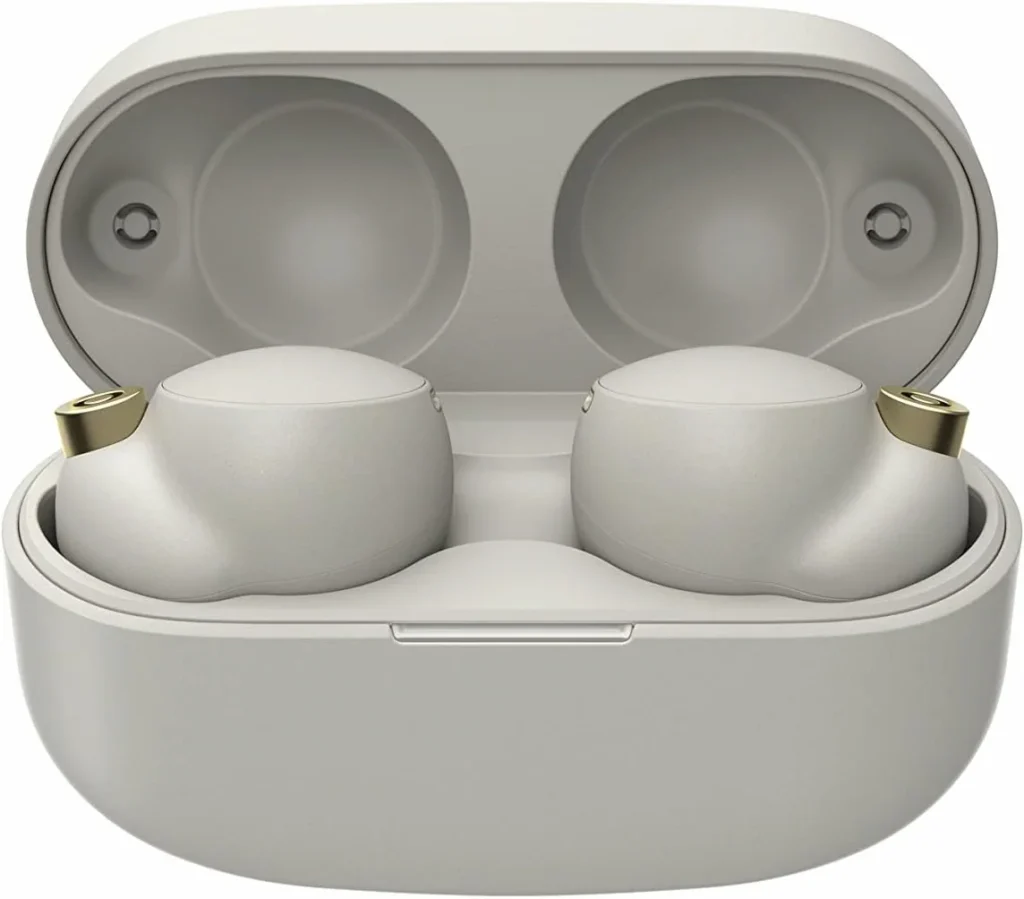
Check Out “Sony WF-1000XM4 True Wireless Earbuds”